
As Sparta resident Gladys Church Parks recalls her almost 102 years, she does so with a dismissive wave of her hand as if to say they were nothing special. Yet her stories include accounts of her using teams of horses and oxen to harrow the rocky soil along the edge of the mountain escarpment now covered by Blue Ridge Parkway and the Fox Hunter’s Paradise overlook. She tells as a girl of catching a ride on the back of a milk truck to Galax where she shopped all day before riding back on the same truck with empty cans being returned to Alleghany dairies. Sadly, she describes her friendship with Elva Brannock whose Depression era murder was the source of local author, Stacy Hawks’ book, Dividing Ridge.
“My daddy, John Church, went west at an early age,” she said recently. “Out there, he spent time pruning apple trees and herding sheep. When he had earned enough, he came home and bought the family farm.” Gladys’ niece, Sandy Walker, filled in the details of the farm in Ennice. The family had held a deed that was handwritten in 1850 and signed by members of the Dickens’ family, Gladys’ mother’s family.
When asked about how the family fared during the Depression, she recalls that it was “rough.” “But,” she is quick to add, “We had plenty to eat. Dad grew all types of grains. We put up vegetables and butchered our own hogs and beef.” During those days in the mid-1930s, Gladys has vivid memories of when the Parkway construction began near Cumberland Knob. “It was exciting to see the work they were doing.”
Gladys takes on a sad, dark tone when she discusses the murder of Elva Brannock. “Our farms bordered, and Elva was my best friend. We went to school that morning and Elva didn’t show up. Everyone spent days looking for her before her body was found near the school. Nothing like that had ever happened. It was awful. The church at Saddle Mountain was full for her funeral. That whole thing really got on me and after Elva was killed it seemed like I couldn’t learn anymore. I left school for good after that.”
As the conversation shifted to the 1940s and World War II, Glady became introspective. “It seemed like all the young men were off fighting the war. We had a battery powered radio. In the evenings we would gather around the radio to listen to news. Our neighbor didn’t have a radio and they had sons in the military. So, they would join us, hoping for a bit of news about their boys.” She went on to describe being issued ration stamps for items that became scarce because of the war. Again, she spoke with a sense of resolve and acceptance instead of expressing hardship and difficulty.
After the war, things began to change quickly in Alleghany County. In the early 1950s, Hanes opened a textile plant in Sparta and Gladys was one of the first workers hired. After she and her cohort were trained, Gladys’ sister, Ilene Church also went to work at the plant. Together they saved their money for a year and bought a new 1955 Ford. Gladys says proudly that she got her drivers’ license on the first try and teases that it took Ilene two tries to receive hers. This gave them much more independence and they no longer had to count on others for transportation into town. Finally, in 1956, electricity reached the family home and farm.
Like many during that period, Gladys moved away from Alleghany. She and her husband. Virgil, settled in Roanoke, Virginia. She spent those days “taking care of the children of working mothers.” When Virgil died in 1995, Gladys moved back home.
These days Gladys lives independently, still doing her own cooking, cleaning, and laundry. She received a pacemaker at age 99 and only takes one prescription medication. Ilene has spent much time with her as Gladys recovers from a broken hip. Their gentle teasing and laughter brighten Gladys’ apartment.

Gladys Parks has not only lived a long life, but one that is filled with milestones that seemed commonplace and inconsequential in the moment. Yet in hindsight, these events changed the direction of our community and region. Gladys will be 103 years-old on June 21, 2022.
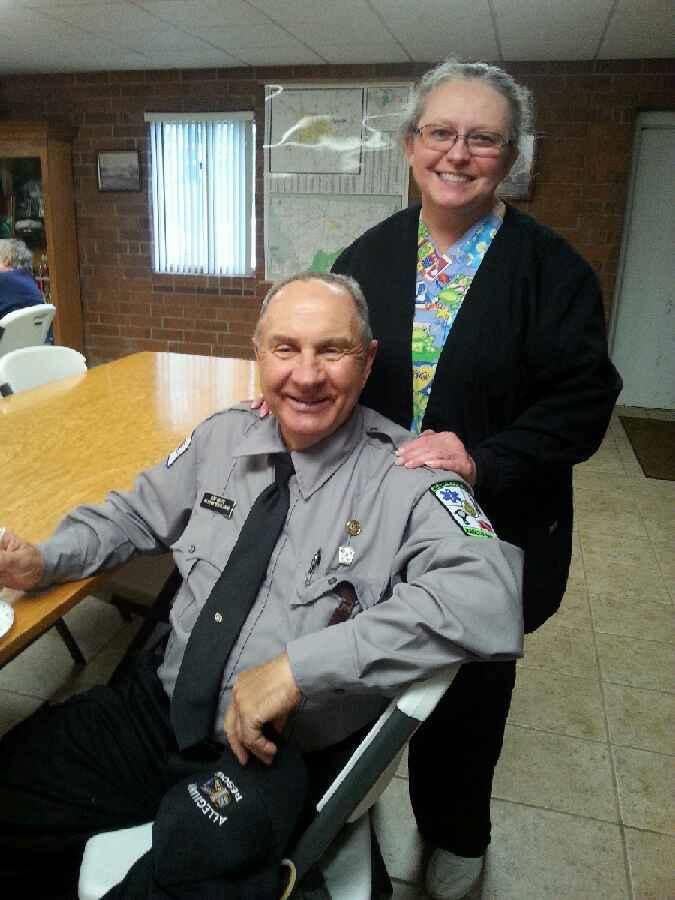
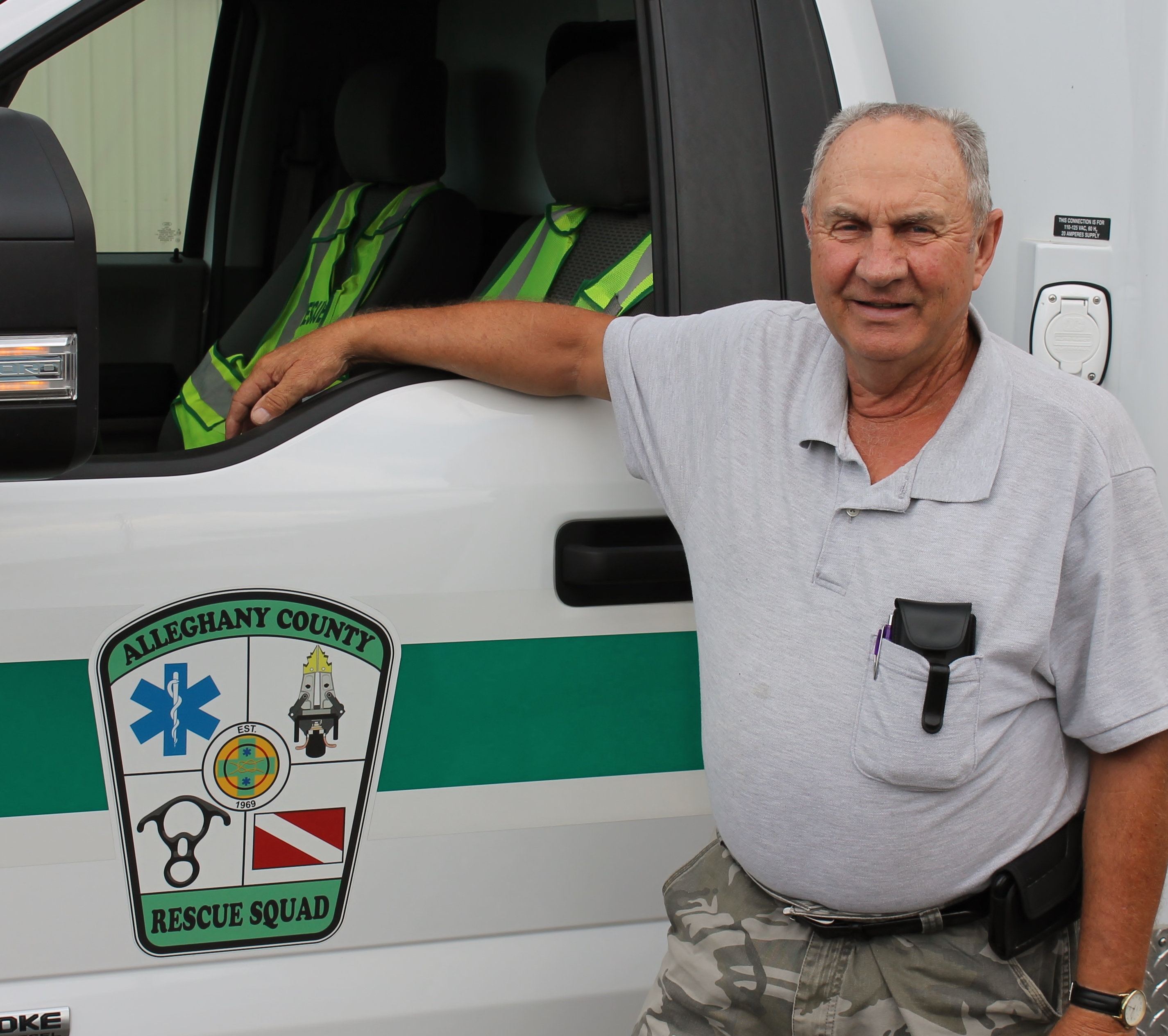 Gene Crouse tells a story that had all the makings of an impending tragedy. A lady over 90 years-old had left home and was missing in the woods. Darkness set in and the temperature dropped. A crew from the Alleghany County Rescue Squad spent the night searching the woods but were unable to locate the woman. Fortunately they found her the next morning, safe and sound. She told the rescuers that she had gotten cold overnight and covered herself completely in leaves to stay warm. She added, “But, I hardly slept a wink with y’all out there stomping around all night.”
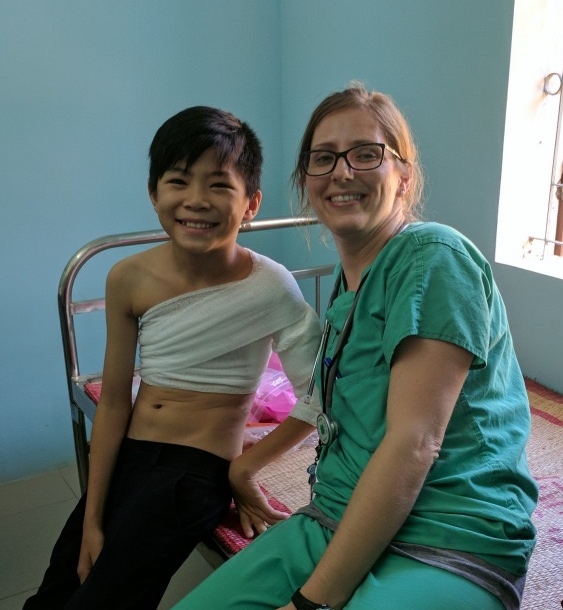 Christy grew up in the Whitehead community, the daughter of Leo and Dorene Caudill. Christy is a 1995 graduate of Alleghany High School and went away to college at East Carolina University (ECU). After a period of no clear direction, she left ECU and enrolled in the nursing program at Pitt Community College.


 For Drew Edwards Temple, new administrative assistant to the Alleghany County manager and clerk to the county commission, her journey to that role followed a common path. Starting here in Alleghany, she explored several options in our region before returning home. Each step added a piece of life experience.


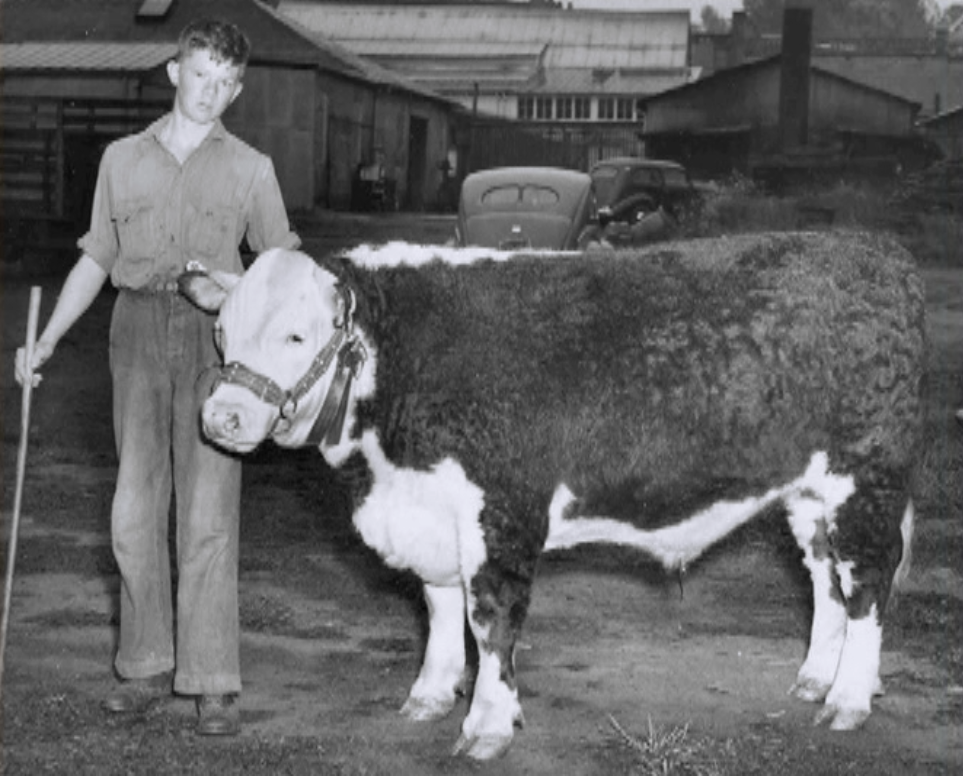
 Born in 1930, Bob spent his early years in the Piney Creek community of Alleghany County. His parents, Emerson and Alma, were both teachers at Piney Creek School. In 1933 or 34, Bob’s father became the county agricultural agent.


 Bob started on the sales floor with Lowes. He was successful in sales and was later moved to purchasing. The work led him across the country to meet with manufacturers and supplies. He went on to become the vice president of purchasing.

 Absolutely Alleghany