Amanda Wiles – A Life that Changed Directions

The British preacher, Charles Spurgeon, once described how a jeweler displays a diamond on black velvet when showing the gem to a customer. As the facets and angles of the diamond catch and reflect the light, its full brilliance is amplified by the contrast of the dark background. Such is the life of Amanda Wiles.

Amanda’s family has Alleghany roots, but they spent much of her childhood in Wilkes County. As she talks about her early family life, Amanda describes an environment of addiction and domestic violence. There were instances of suicide in her extended family. “While I was a good student,” she said recently, “I definitely fit the modern label of ‘at risk youth.’” As she entered her middle school years in Wilkesboro, she began acting out in a variety of ways. “I wasn’t a bad kid,” she continues, “But, I was moving in a bad direction.”

When she was 13, Amanda and her family moved back to Alleghany County. She had trouble adjusting to her new school and struggled to fit in. She continued to act out and set her mind on dropping out of school as soon as she turned 16.  As she relates her story, Amanda becomes reflective. “You know how there are pivotal instances in your life that go unnoticed at the moment, but seem obvious in hindsight,” she asks rhetorically? “I had two of those moments as a 14 year-old.”

The first was a visit from David “Squeak” Edwards. Edwards later became the Alleghany County sheriff, but he was a probation officer when he paid a visit to Amanda. He had caught wind of the group Amanda was spending time with and saw where she was heading unless she shifted direction. She recalls Edwards telling her that she was much too smart to be traveling the path she was on.

Her true life changing moment occurred when she met Jamie Wiles. As Amanda describes their teenage relationship she says, “Jamie was stable. He went to church with his family, and he treated me well. Jamie gave me a glimpse of what a relationship could and should be.”  At this point of the conversation Amanda laughs, “I know that all sounds crazy.” Then she adds more seriously, “It points to how chaotic my childhood was and how steadying Jamie was for me.”  But true to her plan, Amanda dropped out of high school at 16 and she and Jamie were married. She describes them working 2-3 jobs to make ends meet. Again, she laughs and says, “That’s what you have to do when you do dumb things.”

At 21, Amanda breezed through her GED with little studying. Her 20s were filled with several futureless jobs and raising their family. At 29, she began thinking about going to college with an eye on becoming a police officer. Jamie wasn’t thrilled about her becoming a police officer but viewed her return to college as a positive step. She completed her associates degree, and then enrolled in a criminal justice program offered at Wilkes Community College (WCC) by Gardner-Webb University. Amanda describes these as financially difficult years for their family. It required her to make tough choices about what she valued most. She had to give up a nice car with payments for an old one. It required her to accept grants and loans for college tuition. Government subsistence programs helped fill the gaps as they stretched every dollar.

But the rewards came quickly. Amanda began teaching criminal justice part-time at the Ashe Campus of WCC in 2013. She continued her education and received a master’s degree from Liberty University which lead to a full-time teaching position with WCC in 2017.

Her new job helped create the opportunity for Jamie to open his own garage, Jamie’s Auto Solutions. Amanda laughs once more and says, “Of course as with most everything in our lives, opening a new business wasn’t easy. The day we opened; our checking account was overdrawn by $7.00. Jamie had to change oil using ramps for several weeks. But we looked long-term and made it work.” Amanda helps manage the books and both their children, Auston and Courtney, work at the garage.

As we assess our lives and those around us, we often take a short-term view of how we define success. It is tempting to place labels on others that mark where they are at that specific moment in time. In the case of children, those labels can have a negative impact that follows them into adulthood. Unfortunately, many of us have spoken some version of, “She won’t ever amount to much” about a child who is struggling in a challenging situation. Amanda Wiles’ life forces us to challenge those assumptions and instead look for the sparkles of a diamond against a dark background.

Madison Story – Setting the Bar High for Alleghany Youth

Madison Story exudes an energy that is difficult to describe and that is somewhat unsettling. That energy isn’t intimidating in the usual sense of the word. Her easy smile sets one at ease. And then she once again utters a phrase that weaves the threads of a conversation together and offers a glimpse at the source of that energy:

“We have to set the bar high.”

That philosophy of high expectations is central to Madison’s approach to life. It’s an approach she takes in her role as a middle school teacher and as an active member of our community.

Madison is a native of Alleghany County. She grew up in Sparta, graduating from Alleghany High School in 2010 and later from Appalachian State University. Her husband, Josh, is also an Alleghany High (2008) and ASU graduate. They were high school sweethearts.

After beginning her teaching career at Sparta Elementary, Madison took a middle school position at Piney Creek School. Because of the intimate size of the student population, Madison gets to know every student at the school as they progress from kindergarten to 8th grade. She learns their names and about their families, and their needs as students. By the time they reach her middle school classroom, the students know she values and cares about all aspects of their lives. Madison speaks in glowing terms of the support the Piney Creek community gives the students, staff and school. “It’s not unusual,” she said recently, “for a someone in the community to call me and mention they are heading to Winston Salem.” They ask, “Is there anything you need for your classroom?” She points out that often as not, this is someone who doesn’t have a student in school but views it a community responsibility to support local students. “Our community sets the bar high,” she adds.

Sometime back, the Storys enjoyed a family vacation in Morehead City. As the parents of toddlers, they were keen on finding activities that were child appropriate. In a city park they came across a splash pad. In addition to the obvious enjoyment for her children, Madison recognized the value in having a safe space where young families can interact and develop relationships.

After returning home, Madison contacted the recreation director for Morehead City for details about their splash pad. She then contacted Sparta Town manager Ryan Wilmoth to pitch the idea to him. Madison was surprised to learn that Wilmoth had similar thoughts and had received a private donation of $50,000 to be used toward a splash pad project in Sparta. Wilmoth explained that they needed an additional $40,000 to build a basic, bare bones pad.

Madison and a group of concerned community members formed the Alleghany Youth Activities Committee and took to social media to raise the needed $40,000. Madison emphasizes this was a group effort and they were surprised by how quickly they raised those funds. She went back to Wilmoth and asked for a quote for a “shoot for the stars” facility. Wilmoth brought back a quote of $235,000 for a dream pad. Madison’s response was, “There is no need to aim low. Let’s set the bar high.”

Wilmoth took the project to the Sparta Town council and they supported the project with both funding and advocacy. Another individual stepped forward with a substantial donation. This has led to a current balance of $210,000 toward the project. The committee is gearing up for one last fundraising push in April with the Splash Pad Lottery. The goal is to have the facility operational by Memorial Day.

As Madison describes the group’s vision for the pad, it is anchored in community. “We [the community] say we want our young families to stay here in Alleghany County. That requires activities for children and places where parents can get to know each other. I hear some of the objections around town to this project and questions about how much this will cost to operate and maintain. I tend to focus on what it costs us when young families move away.”

There’s that energy again – the challenge to set the bar set high.

***

If you would like to contribute to this project, donations are being accepted at the Sparta town office. More information can be found on the Alleghany Youth Activities Committee’s Facebook page.

Bill Osborne – Small Farm Advocate

A simple chat about a frigid, January day kindled a memory for Bill Osborne. A memory of hogs.

“When I was a kid, we raised seven hogs a year to sell,” he begins. “We would butcher the first one around Thanksgiving and then spread the rest out over the course of the winter.” Bill goes on to explain that after they had killed the hog, they would scald the hide with boiling water and then scrape off the hair. After it was scraped clean, they would hang the hog and an individual would come by to purchase the whole hog for processing. He said they referred to the practice as “selling from the pole.” As he describes the entire process, it was obvious that the recollection was a flood of memories of old ways and times past. More important was the remembrance of a community coming together around a communal activity. “It seems like everybody showed up to help,” he said.

This memory twists and winds together thoughts that surface in any conversation with Bill Osborne. He is clearly an advocate for family farms and a self-sufficient lifestyle. He is deeply embedded in his community. The strongest theme of all is one of the importance of family.

Bill married his bride Jill when he was only 18 years old and she was 16½. Those were some tough years for a young couple. “There were times when we would have to sell a cull cow to make ends meet,” he recalls. “But, those hard times definitely helped us appreciate the good times even more.”

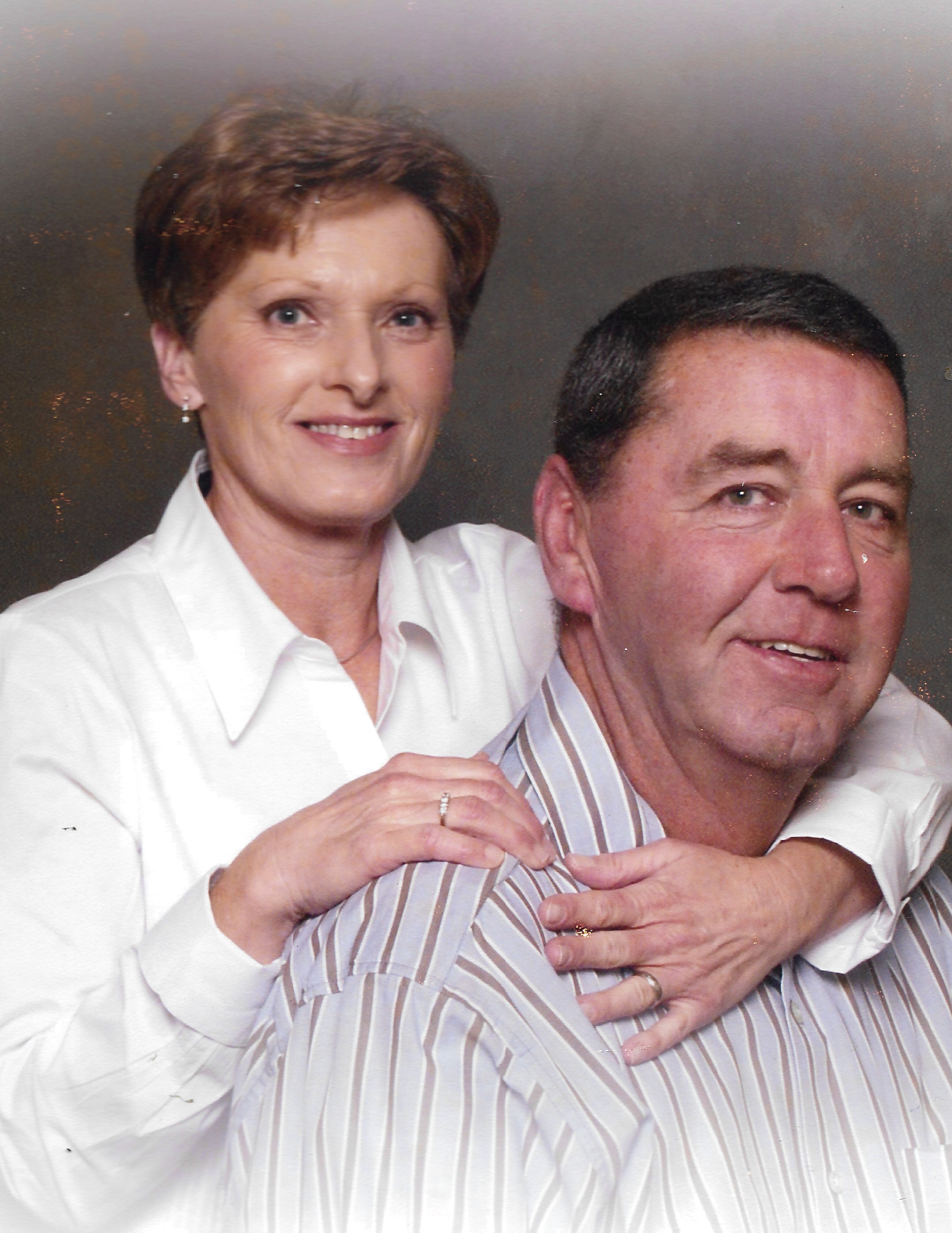
Bill and Jill

Bill and his brother, David, took over the operation of the family dairy in the 1970s. When David decided to go to college, Bill bought out David’s share of the farm. But when Bill talks about partners on the farm, the conversation always drifts back to his immediate family.

“My daughter, Tammy, never particularly liked driving a tractor. There was one day she was on the tractor most of the day when we were getting up hay. Over the course of the day, the lug nuts worked loose and the wheel came off,” Bill laughs. “After that, I told everybody that she can drive the wheels off a tractor.”

A story about his son, Todd, reflects the dangers around the farm. “Todd was mixing up milk replacers in the pump room. He slipped on some oil and his finger found its way into a pulley. I wrapped the finger up in paper towel and drove him to the emergency room. They sewed the severed finger back on and it grew back just fine.”

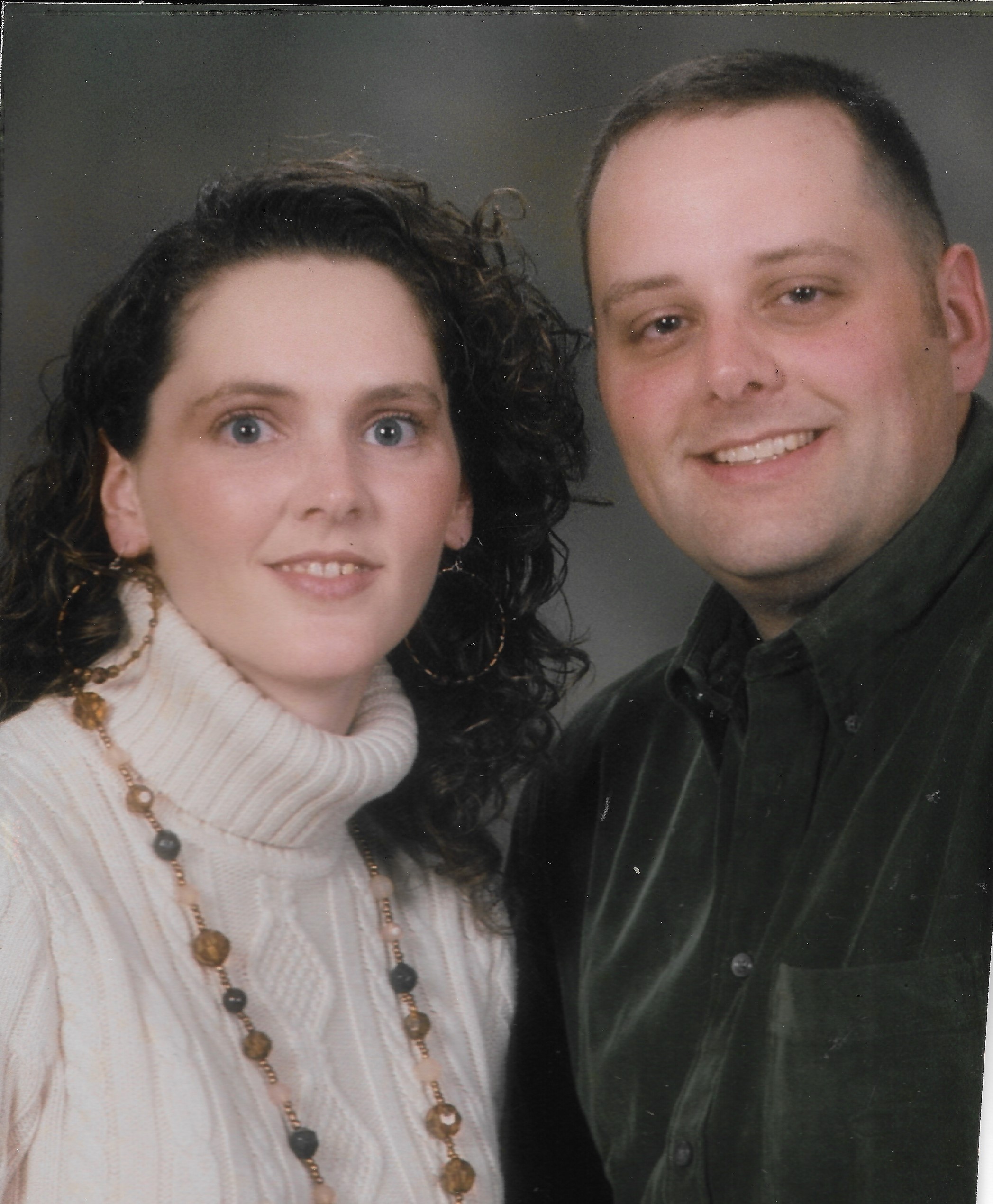
Tammy and Todd

Bill speaks glowingly of his wife Jill. “When I was away, she basically ran the operation.” He adds a compliment that can be best appreciated by those who have spent time on a farm, “I’ll tell you in all seriousness, Jill is as good of truck driver and silage hauler as anybody in the county.”

By the mid-1990, dairy farming was getting increasingly difficult. Environmental regulations created a quagmire of expensive upgrades and the twice daily milking schedule made it difficult to have much life off the farm. In 1995, Bill and Jill decided to close the dairy. They focused on tobacco and their greenhouse operation where they grew tobacco seedlings, strawberries and some cabbage.

These days Bill has once again adjusted his farming – this time to cigar tobacco. The plants he grows function as the wrapping leaves for cigars. It is a labor-intensive process and requires near perfect leaves, but he is optimistic that is a good direction for the farm.

US Congresswoman Virginia Foxx and Bill

When asked about the future of agriculture in our community, predictably he comes back to a theme of self-sufficiency. He points to the shrinking number of meat processing facilities and how local farmers have little input on the prices of the livestock they raise. He is concerned that more of our beef and pork comes from foreign sources. He worries that the empty shelves we sometimes see in the grocery store are a harbinger of things to come.

An alternative he envisions is shortening the link between the producers and consumers. Bill is a strong advocate for a vibrate farmers market where customers can talk directly with the farmers about their products. He recognizes an increase in demand for food that is free from preservatives. It brings to mind those cold winter days of his youth when those hog killings were a community event and farmers “sold from the pole.”

Maybe that’s why he still raises a hog for slaughter each year. In addition to great sausage, it is a strong connection to the days of his childhood when the highlight after a long, cold day was a supper of fresh pork tenderloin – locally sourced food before that became a phrase. Perhaps that is less a look into the past and more a glimpse of the future.

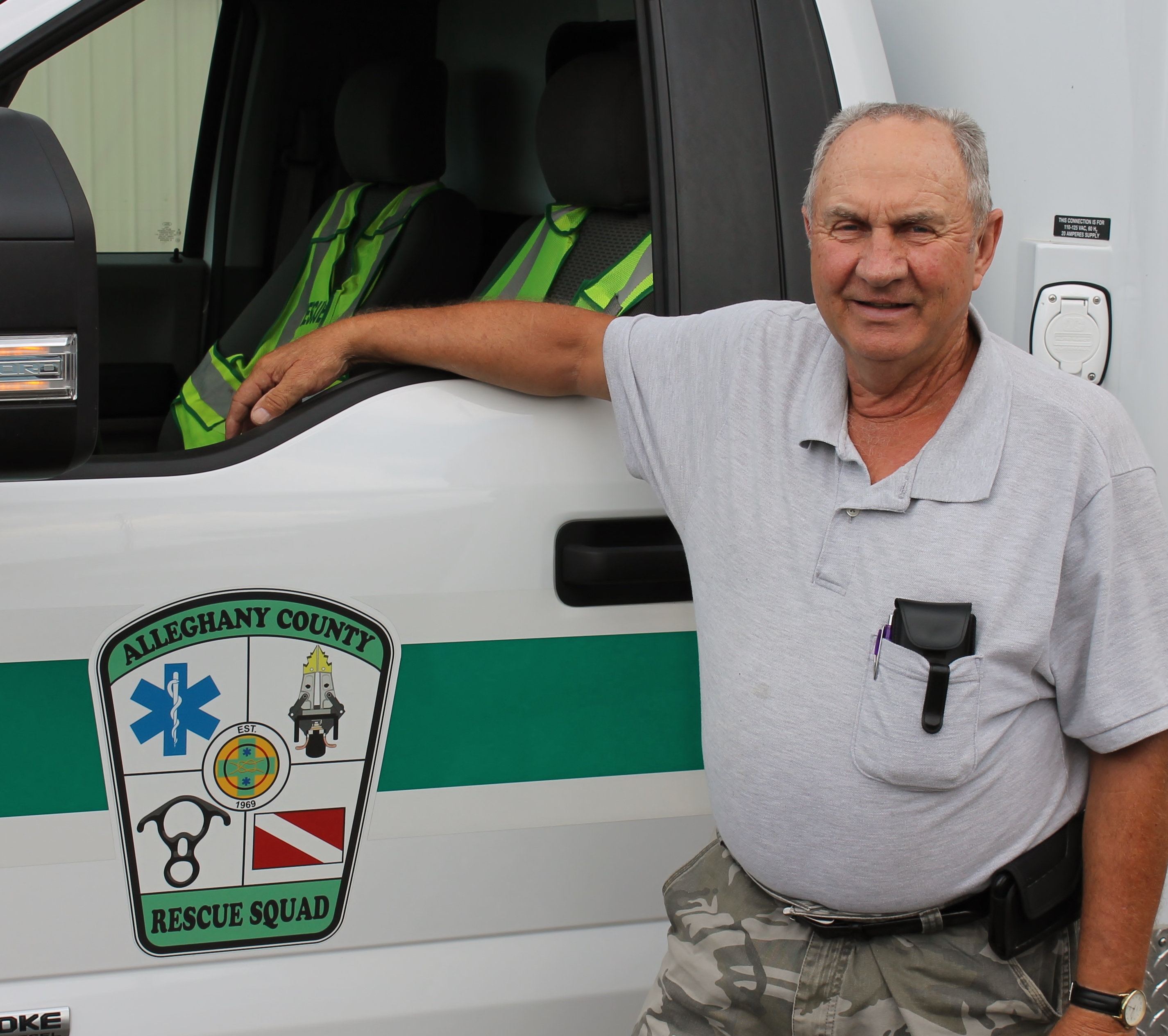
Gene Crouse – Alleghany County Rescue Squad

IMG_5449Gene Crouse tells a story that had all the makings of an impending tragedy. A lady over 90 years-old had left home and was missing in the woods.  Darkness set in and the temperature dropped.  A crew from the Alleghany County Rescue Squad spent the night searching the woods but were unable to locate the woman. Fortunately they found her the next morning, safe and sound.  She told the rescuers that she had gotten cold overnight and covered herself completely in leaves to stay warm. She added, “But, I hardly slept a wink with y’all out there stomping around all night.”
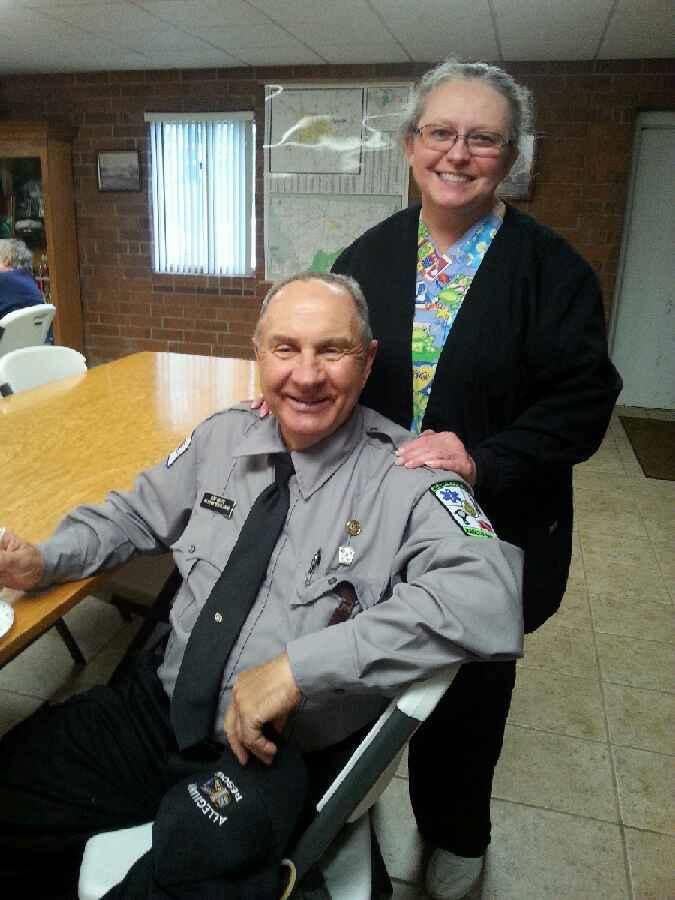
Gene laughs as he tells that story. As he approaches his 50th anniversary in the squad, there are other humorous stories that he can recount along with many others with more tragic results. A quick conversation with Gene reveals a professional who accepts the challenges he has faced, but prefers to focus on those incidents with positive outcomes.

In August of 1970, shortly after his discharge from the military, Gene joined the new Alleghany County Rescue Squad. Gene recalls that the squad’s response vehicle was a Chevrolet Suburban. They used a military litter for a stretcher so once a patient was loaded, the truck was so full that it was difficult to provide care for the patient.  In 1977 the squad bought its first ambulance and at that time the town and county began allocating funds to the group.

Over the next ten years, Gene worked at Sparta Pipes.  He said they were a great company who recognized the value of emergency services volunteers. He described work days where he clocked in only to receive an emergency call that kept him away his entire shift. Even though he was gone for the day, the company paid him for his regular work shift. Gene explained, “They recognized that our community depended on volunteers to staff the rescue squad and fire departments.  Allowing us to go on these emergency calls, on company time and be paid, was one way Sparta Pipes gave back to the community.”

By the late 1970s, Alleghany County had formed a paid emergency medical services (EMS) department.  In 1979, Gene left the pipe factory and became a full-time EMS member. He also remained a member of the rescue squad.

Rescue members

Long time members left to right: Richard Caudill, Charity Gambill-Gyyn and Gene Crouse

The roles of EMS and the rescue squad sometimes creates confusion for the public.  Gene explains it this way: “Think about an automobile accident that has the victim pinned inside the vehicle.  The rescue squad, EMS and fire departments will all be sent to the scene.  The rescue squad’s responsibility is to stabilize the victim while they are still inside the wreckage and then work to extricate them from the vehicle. The fire department will provide fire suppression and protection from fire, traffic control, and for those trained in extrication, assistance with freeing the victim. Once the victim is removed, EMS takes over medical treatment and transports the patient to an emergency facility.”

The complexity of these interlocking operations reflects the vast amounts of specialized equipment required to safely carry out each step of the response; the training required to operate this equipment and provide the necessary care; and the cost of both the equipment and training. Gene pointed out that that first Suburban cost around $3,000. The latest response vehicle purchased by the rescue squad cost well over $300,000. “Back in those early days,” Gene said, “We would go door to door in the community. Nowadays, we engage in a multiple fundraisers throughout the year. The cost is operating our squad is surprising to most people.”

Often overlooked by the public are the number of hours that squad members volunteer to the community. Gene explained, “When the [paid] EMS crews have to leave the county for medical transports, we call in rescue volunteers to be on standby provide medical response in the county. Coupling that with training and responding to calls for assistance, some of our more active members volunteer 40-50 hours each month.”

Gene Crouse

Gene and wife, Jeannie

These days Gene spends much of his day on his farm in Cherry Lane where he raises beef cattle and donkeys.  But he still provides training for emergency responders and occasionally works a shift at EMS or runs a call with the rescue squad.  Even after 50 years, serving the community in times of need is still a key part of what defines Gene Crouse.


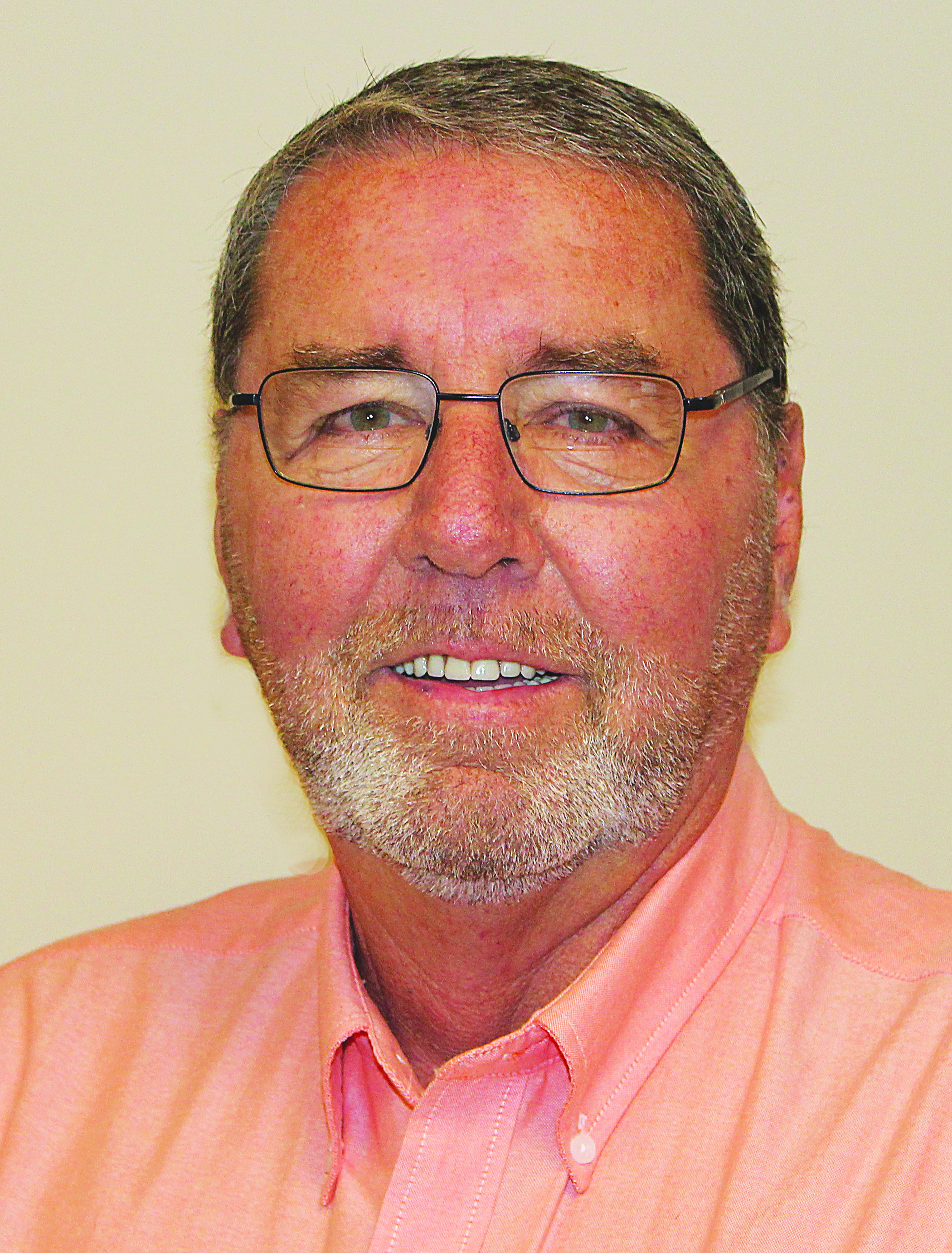
Andy Blethen – Ensuring a Healthy Alleghany County

Andy officeCovid 19 and the international, national, state and local responses to the coronavirus have changed our lives in many ways. For weeks many of us talked about “when things get back to normal.”  Nowadays those discussions are more about creating a new normal for our communities.  The ways we interact with others, how we shop and even how we work will be different.  In many ways our lives have been forever changed.  As we have worked through these challenges, individuals have stepped up to exhibit leadership during these trying times.  One such person is Alleghany resident Andy Blethen.
Andy’s parents are from Massachusetts.  They moved to North Carolina when Andy’s father took a position as a history professor at Western Carolina University. Coming from an educational and academic household, there was an expectation that Andy would go on to college after high school.  After high school Andy enrolled in the health promotions program at Appalachian State University (ASU).

At ASU, Andy gravitated toward environmental health after working an internship in that field with AppHealthCare. Environmental health focuses on keeping a community healthy.  This is done through regulations, enforcement of rules, and education and outreach.

As the environmental health supervisor for AppHealthCare, Andy leads a team that oversees permitting and inspections of hotels and restaurants; pools, spas and tattoo artists; child care and long-term care facilities; and water protection through the permitting and inspection of private drinking water wells and onsite septic systems.  While these tasks are regulatory in nature, Andy emphasizes that the goal of his staff is to aid in building and maintaining a strong, healthy community. Realizing that their work has a direct impact on the local economy, they engage in outreach with the community. His work group conducts orientations for realtors and training sessions for restaurant owners. Their desire is help businesses and individuals take a proactive approach to public health.

Covid 19 has brought a heightened awareness to public health and especially AppHealthCare. Andy points to their designation as a federally qualified health center as making them eligible for millions of dollars in federal funding and grants. He describes a recent $400,000 grant that was recently awarded which will be used to expand dental programs to our school aged children. (Note: AppHealthCare has had a dental program for years).  Oral care is often cited an important factor in school performance, self confidence and later employment opportunities.  Roughly 17% of AppHealthCare’s funding comes from local sources in their service area of Alleghany, Ashe and Watauga counties.  For each dollar of Alleghany County funding, AppHealthCare provides $11 in services for the county’s residents.

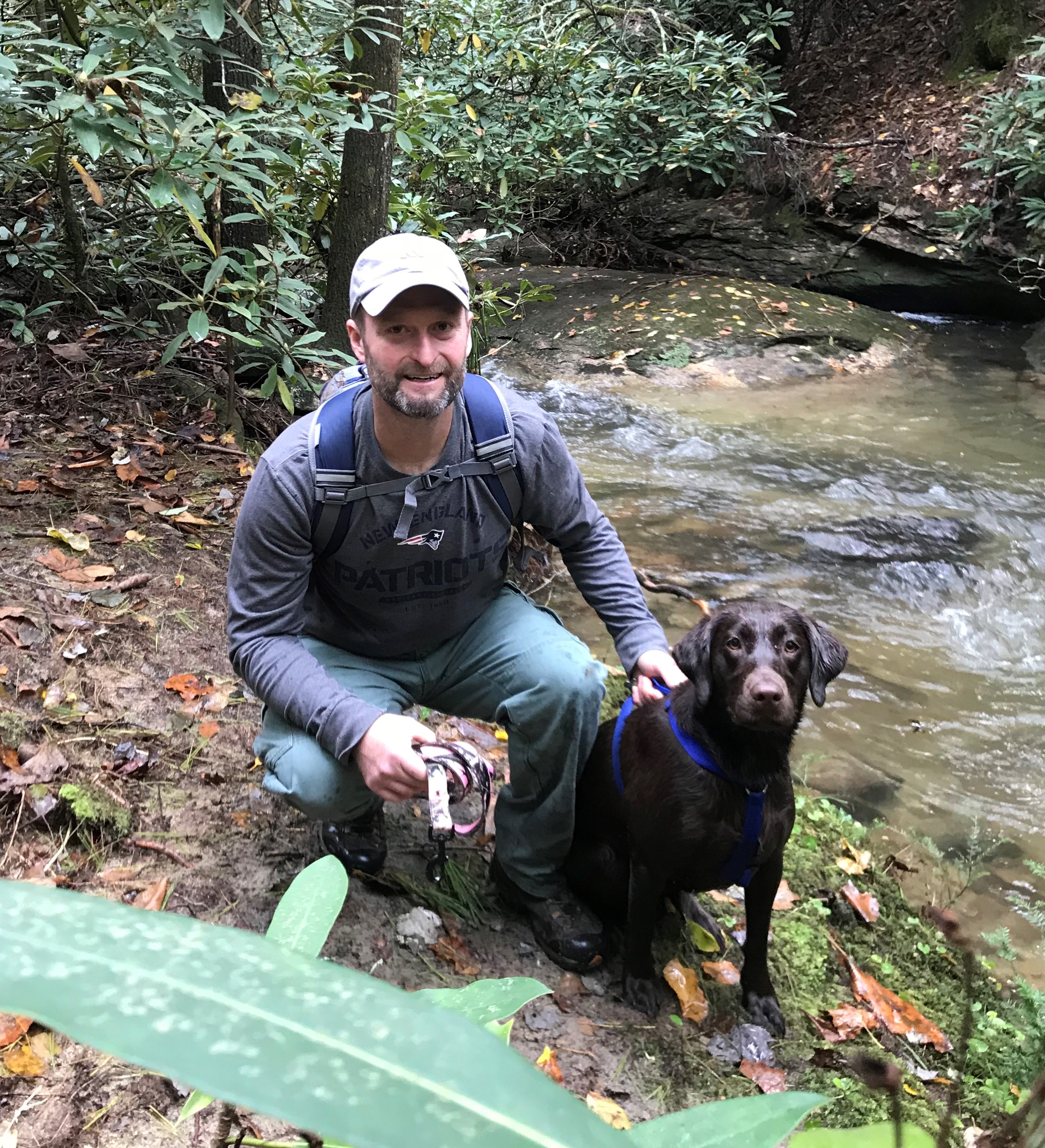
One of the key elements of the success of AppHealthCare is that the employees are not distant bureaucrats – the staff lives in the communities they serve. Andy and his wife Robin live in the Ennice community.  They have five children aged 19 to 28. Andy and Robin enjoy spending time with their family, hiking with their 3 year-old Labrador retriever, and floating the river.

Andy and dog

As we in Alleghany County continue to proactively develop the “new normal” coming out of the current pandemic, AppHealthCare and their dedicated staff such as Andy Blethen will play a key role.  Community health is a foundational component workforce and economic development, and long-term economic vitality.